Seasonal Allergies or a Cold? How to Spot the Difference This Fall

Seasonal allergies, also known as hay fever or allergic rhinitis, occur when your immune system overreacts to environmental triggers like ragweed pollen, mold spores, dust mites, or crop harvests. Colds, on the other hand, are caused by viruses and can spread easily from person to person.
While both can cause similar symptoms, knowing the key differences makes it easier to manage your health and choose the right treatment.
Seasonal Allergies: What Are They?
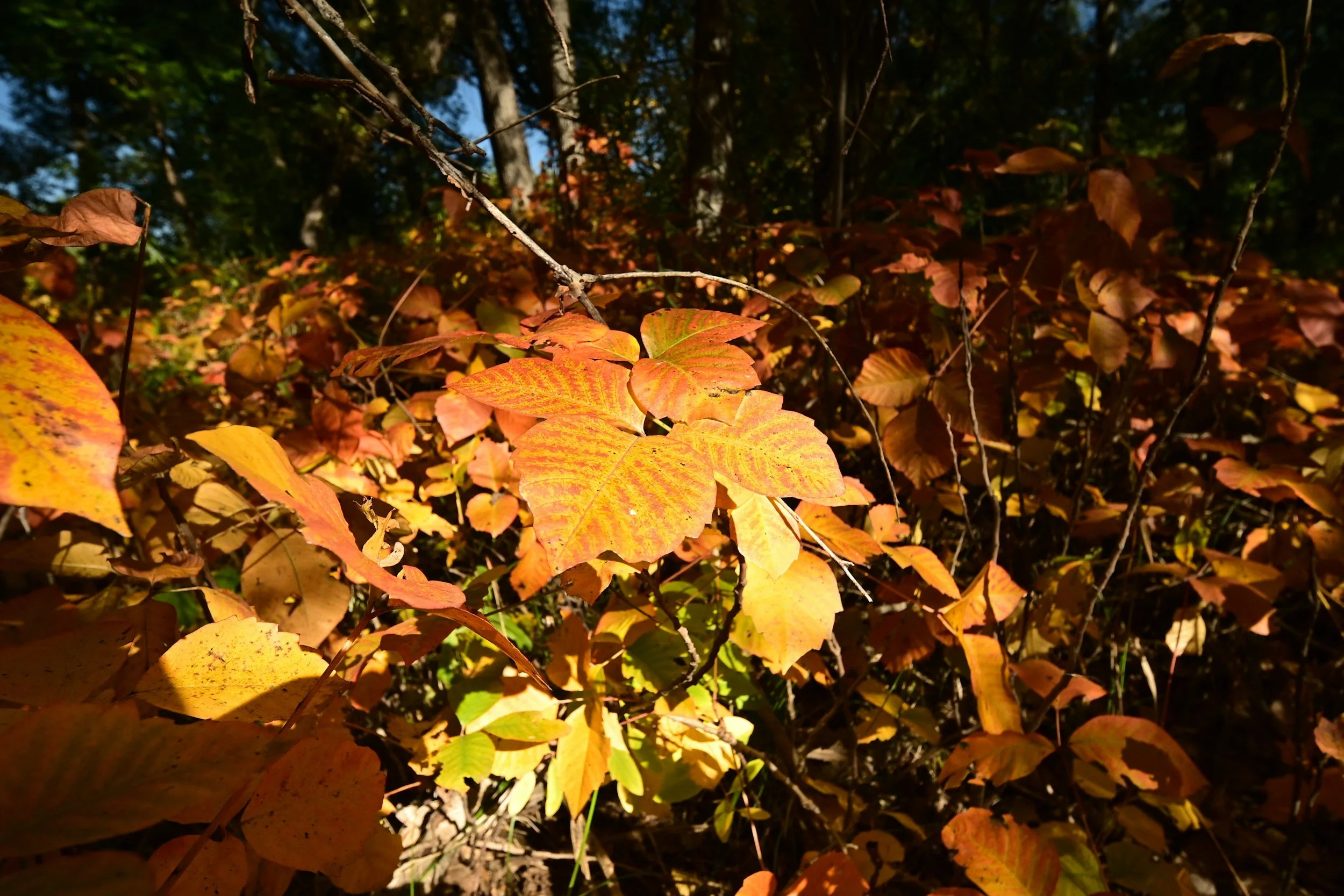
Seasonal allergies, also known as hay fever or allergic rhinitis, happen when your immune system overreacts to allergens like:
Ragweed pollen (common in fall)
Mold spores (from wet leaves and soil)
Dust mites (which build up indoors as we close windows and turn on the heat)
Harvest (corn/soybean)
The Common Cold: A Viral Infection
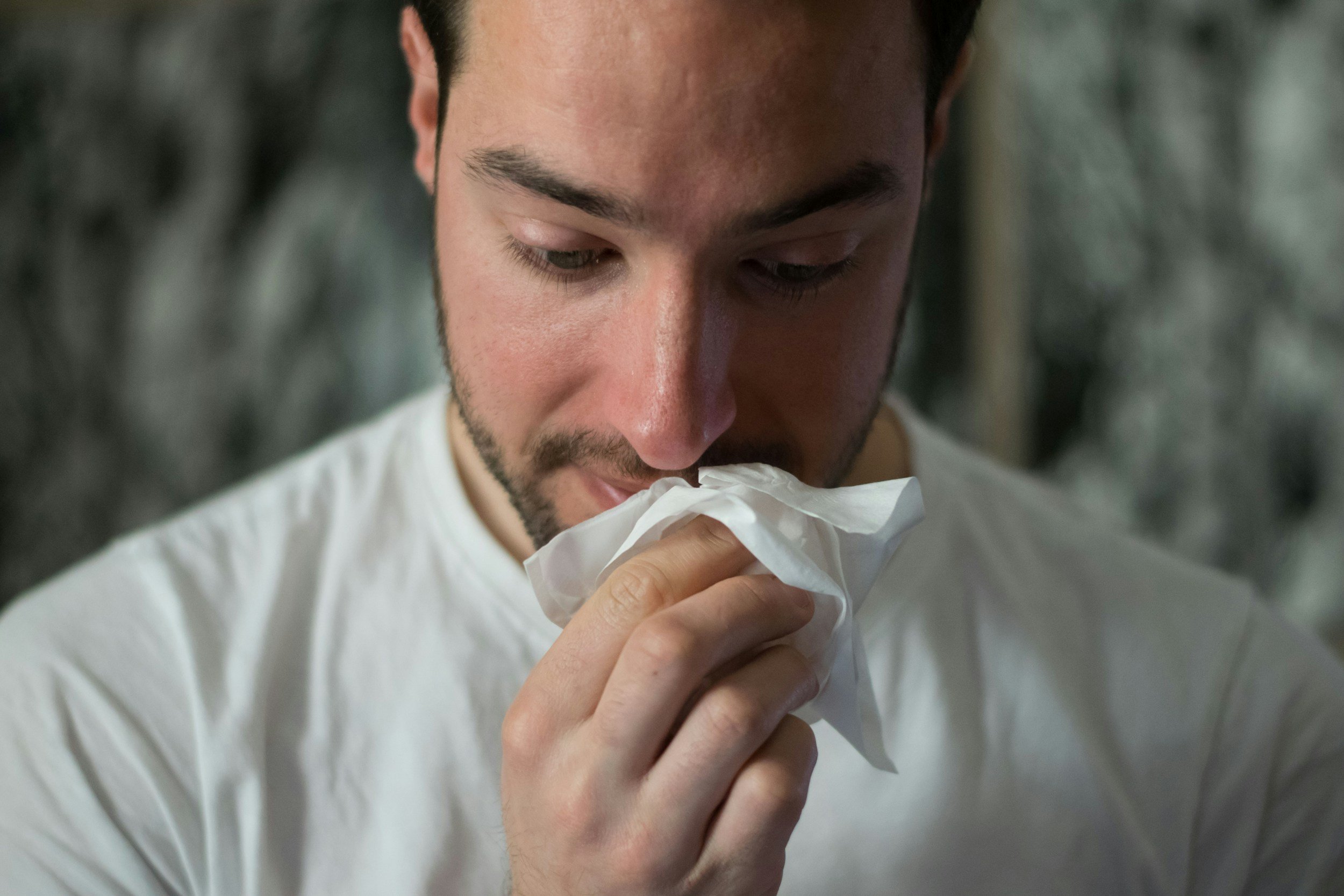
The common cold encompasses a variety of illnesses with similar symptoms. It’s caused by viruses and often spreads through the air or by touching contaminated surfaces. Unlike allergies, colds are contagious and can spread easily among families, schools, and workplaces.
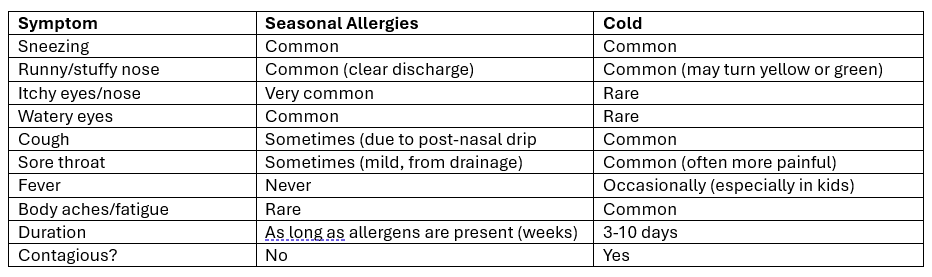
Allergy vs. Cold: Symptom Comparison
Here’s a simple breakdown to help you tell the difference:
When to See Your Doctor

Whether it’s allergies or a cold, you should check in with your healthcare provider if:
Symptoms last more than 10 days
You develop a high fever
You have trouble breathing or wheezing
Symptoms affect your sleep, school, or work
Over-the-counter medications aren't helping
At Prairie View Medical Clinic, we can help you find relief, whether it’s managing allergies with the right treatment plan or recovering from a cold with supportive care. Our provider team utilizes natural supplements, over-the-counter therapies, and prescribed treatments, all tailored to your individual needs and preferences.
Tips for Managing Each
For Allergies:
Keep windows closed during high pollen days
Shower after being outdoors
Use an air purifier and change HVAC filters
Consider antihistamines or nasal sprays (ask your doctor first)
For Colds:
Rest and stay hydrated
Use saline sprays or humidifiers
Wash hands often to prevent spreading
Treat symptoms with over-the-counter cold remedies (with guidance)
Refer to our previous blog post, “Staying Healthy During Cold and Flu Season,” at pvmedicalclinic.com/blog